ServicesHome Equity Loans & HELOCs
Home Equity Loans & HELOCs in Stonecrest
If your first mortgage carries a rate you would rather keep, a second loan against your equity can fund a renovation, tuition or debt payoff without starting over. We begin by asking what the money is for, then match it to a fixed loan or a line of credit.

Two ways to borrow against the value you have built
A home equity loan pays you one lump sum at closing, at a fixed rate, with the same payment every month until it is paid off. A HELOC works more like a credit card secured by the property: you draw what you need during a set draw period, pay interest on what you use, and then move into a repayment period. Most HELOC rates are variable and follow the prime rate.
Both sit behind your existing mortgage as a second lien, so the rate and terms on your first loan stay exactly as they are. That is the main reason people in Stonecrest and around Lithonia and Conyers choose them over a full refinance.
Picking between the two is mostly a question of timing. A known, one-time cost usually suits a fixed loan. Costs that arrive in stages, or that you may not need at all, usually suit a line of credit. We sort that out with you before anything is applied for.

What we handle for you
- 01
A clear read on your usable equity
We estimate what the property is worth, subtract what you owe, and show how much a lender will typically let you borrow against it. You see the math, not just a final number.
- 02
Fixed loan versus line of credit
We lay the two side by side for your actual plan: monthly payment, how the rate behaves, and what happens when a HELOC draw period ends.
- 03
A check against refinancing
Sometimes a cash-out refinance is the better fit, especially if your current rate is higher than today's. We tell you plainly when that is the case.
- 04
Appraisal and paperwork
We order the valuation, gather income and credit documents with you, and keep the file moving toward closing.
- 05
A walk-through of the closing papers
Before you sign, we go line by line through fees, rate terms and any draw or repayment rules so nothing reads as a surprise later.
Questions about Home Equity Loans & HELOCs?
Call(770) 874-4308Signs a home equity loan or HELOC may fit
Your first mortgage rate is low
Refinancing would mean giving up a rate you worked to get. A second loan lets you borrow without touching it.
A renovation is coming in phases
A kitchen now and a roof next spring is a good case for a line of credit, where you only pay interest on what you have drawn.
High-interest balances are piling up
Consolidating card debt into a secured loan can lower the rate, though it does put the property behind the debt. We talk through that trade honestly.
A large, known expense is ahead
Tuition or a specific project with a firm cost often suits the predictable payment of a fixed home equity loan.
How the process runs
- 1
A free consultation
We start by phone or video, or at our office. We ask what the money is for, how soon you need it, and what your current mortgage looks like.
- 2
Finding the right structure
Once the purpose is clear, we recommend a fixed loan, a HELOC or, occasionally, a different route. You hear the reasoning before any credit is pulled.
- 3
Application and appraisal
We collect pay stubs, tax returns and mortgage statements, then order the valuation. Your loan officer keeps you posted as underwriting reviews the file.
- 4
Closing and access to funds
You sign the final documents, and on a primary residence federal rules give you three business days to change your mind. After that, the lump sum is paid out or the line opens for draws.
What shapes your rate and costs
The price of a second loan comes down to how much risk the lender sees and how much work the file takes. We explain each factor during your consultation so you know where your numbers come from.
- Combined loan-to-value
- Lenders add your first mortgage and the new loan together and compare them to the appraised value. The more equity left untouched, the better the terms tend to be.
- Credit and debt-to-income
- Your credit history and the share of monthly income already going to debt both move the rate and the amount you can borrow.
- Fixed or variable rate
- Fixed home equity loans usually start a little higher than a HELOC's opening rate, but they cannot rise. A variable line can be cheaper early and cost more if rates climb.
- Appraisal and closing fees
- Valuation, title and recording fees vary by lender and loan size. Some lines also carry annual fees, which we point out up front.
Questions about home equity loans and HELOCs
Will a HELOC change my current mortgage?
No. It is a separate second loan, so your first mortgage keeps its balance, rate and payment. You will simply have two payments each month.
How much can I borrow against my equity?
Most lenders cap the combined balance of both loans at a set share of the appraised value, so you cannot borrow every dollar of equity. We work out a realistic figure from your mortgage statement and a value estimate during the consultation.
What happens when a HELOC draw period ends?
You stop drawing and begin paying back principal along with interest, so the payment usually rises. We show you that later payment before you commit, which is often what decides between a line and a fixed loan.
Is the interest tax deductible?
It can be in some cases, depending on how the money is used and your overall tax picture. We are not tax advisors, so we suggest confirming with yours before you count on it.
Should I do a cash-out refinance instead?
If your current rate is above today's market, replacing the whole mortgage may cost less over time. If your rate is low, a second loan usually wins. We run both and show you the difference.
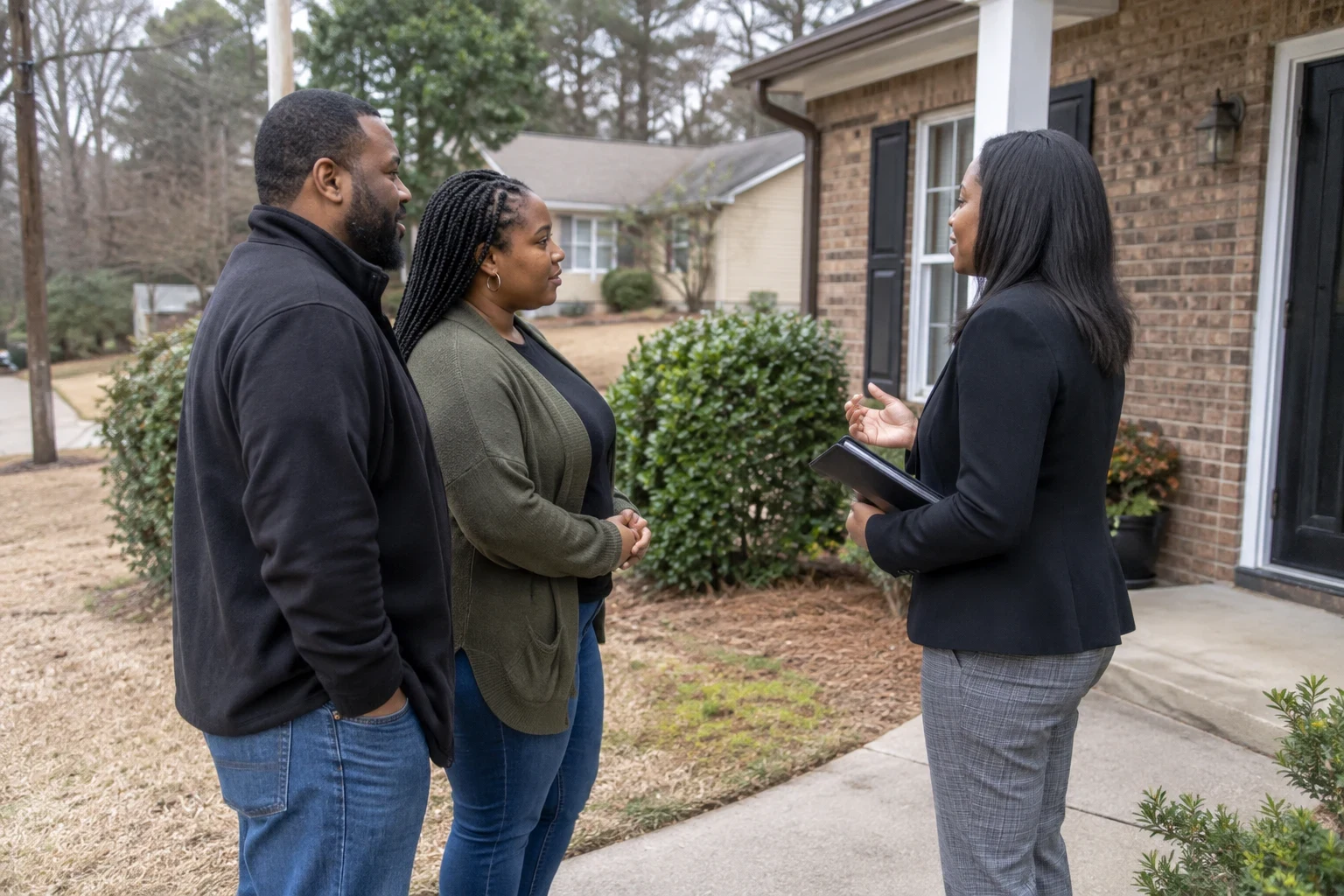
Start with what the money is for
A short conversation with a loan officer is usually enough to tell whether a fixed loan or a line of credit suits your plan. The consultation is free, and you leave with clear numbers.