ServicesReverse Mortgages
Reverse Mortgages in Stonecrest
A reverse mortgage can turn the equity in the house you live in into income or a standby line of credit, with no monthly mortgage payment. We start by understanding what your budget actually needs, so the loan you choose solves the right problem.
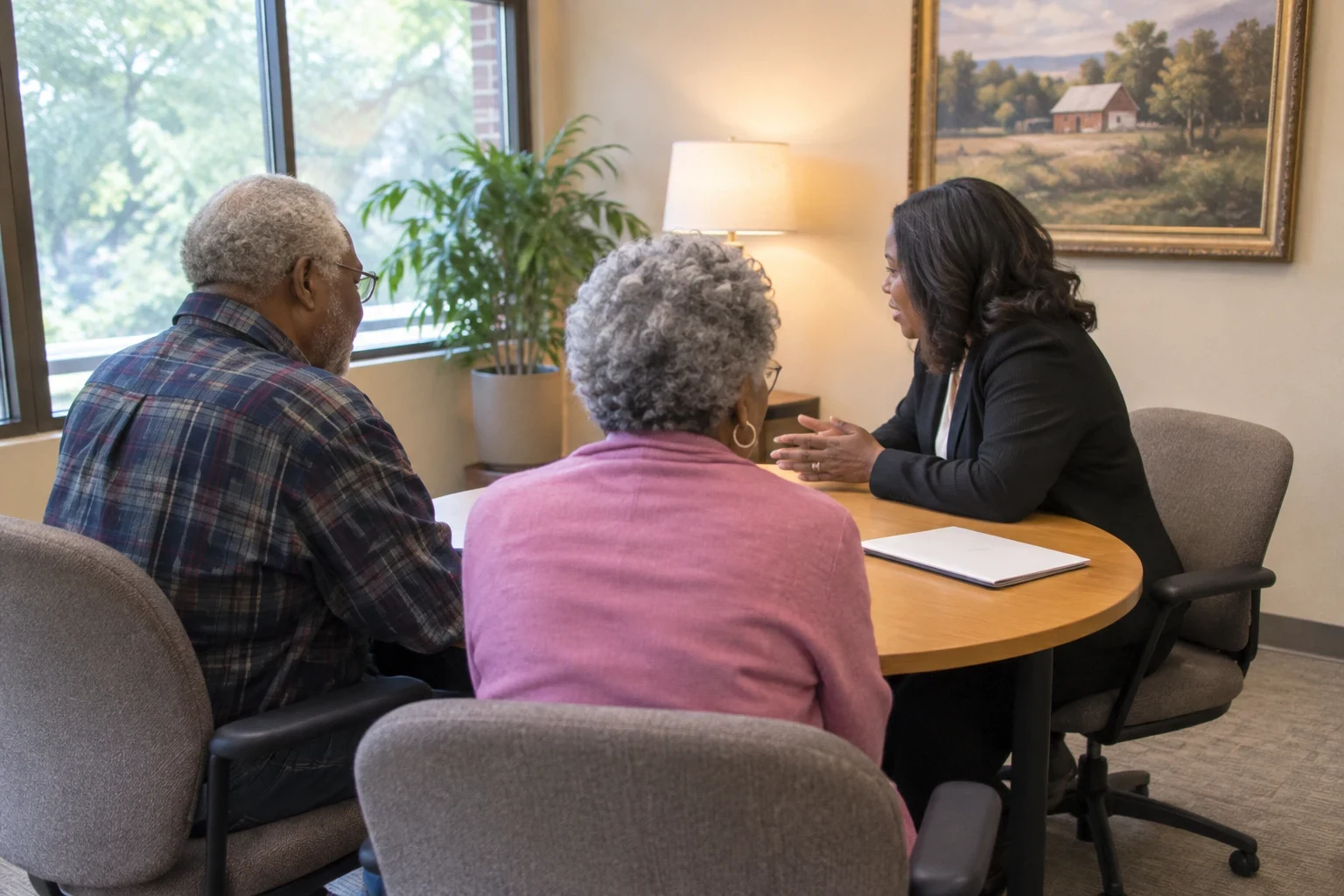
What a reverse mortgage does, and when it fits
A reverse mortgage lets borrowers 62 and older convert part of their equity into cash while they keep living in the property. The most common type is the Home Equity Conversion Mortgage, or HECM, a program set up under FHA rules. Interest and fees are added to the balance over time, and the loan is repaid when the last borrower sells, moves out for good or passes away.
It is a strong tool for some retirees and the wrong one for others. Before we recommend anything, we look at what is really putting pressure on your finances. Sometimes the answer is a reverse mortgage. Sometimes a mortgage refinance or a home equity line serves you better, and we will tell you so.
You keep the title. You also keep paying property taxes and property insurance, and you keep the place in good condition. Those obligations matter, and we cover them on the first call.
What we work through with you
A needs review before any numbers
We go over your income, monthly costs, current mortgage and how long you plan to stay. That tells us whether the goal is lower expenses, a cash cushion or funding care, and each points to a different setup.
Eligibility check
We confirm the age of the youngest borrower, that the property is your primary residence and how much equity you hold. We also walk through the lender's financial assessment, which reviews your ability to keep up with taxes and insurance.
Comparing payout options
Proceeds can come as a lump sum, steady monthly payments, a line of credit or a mix. An unused HECM line of credit grows over time, which suits people who want a reserve rather than cash today.
Preparing you for counseling
Federal rules require a session with an independent HUD-approved counselor before you apply. We explain what the counselor will cover so you arrive with your questions ready.
Planning for your spouse and heirs
We look at how the loan affects a spouse who is not on it and what your heirs will need to do later. Family members are welcome to join the consultation.
Buying with a reverse mortgage
A HECM for Purchase lets you buy a new primary residence, often a smaller one, and avoid a monthly mortgage payment on it. We show how the down payment and loan amount work together.
Signs a reverse mortgage may be worth a look
- Your mortgage payment strains a fixed income
- If a large share of your Social Security or pension goes to the monthly payment, paying off that balance with reverse mortgage proceeds can free up real room in your budget.
- Most of your wealth is in the property
- Many retirees have modest savings and substantial equity. A reverse mortgage can put some of that value to work without selling.
- You plan to stay for years
- Upfront costs are spread over the time you live there. The longer you stay, the more sense the loan tends to make.
- You want a reserve for later
- A line of credit set up early can sit untouched and grow, ready for medical bills, care at home or a lean market year.
- You want to stay put as you age
- Proceeds can pay for accessibility updates or in-home help so you can remain where you are comfortable.
How the process runs
- 1
Free consultation
We talk by phone, by video or at our office. We review your goals and finances and give you an honest read on whether a reverse mortgage fits.
- 2
HUD-approved counseling
You complete the required session with an independent counselor, usually by phone. You receive a certificate needed for the application.
- 3
Application and appraisal
We gather your documents and order an FHA appraisal. The lender completes its financial assessment, and we explain any conditions in plain terms.
- 4
Closing and review period
You sign the closing documents and then have three business days to change your mind on most reverse mortgages. Funds are released after that period ends.
- 5
After closing
Each year you confirm the property is still your primary residence. We remain available if questions come up about draws or statements.
What shapes the cost and the amount you can draw
Reverse mortgage costs typically include an upfront and annual FHA mortgage insurance premium, an origination fee and standard third-party closing costs. Most can be financed into the loan, which lowers what you receive. We lay out every line before you commit so the trade-off is clear.
- Age of the youngest borrower
- Older borrowers can generally access a larger share of their equity. An eligible spouse who is not on the loan also affects the calculation.
- Appraised value and FHA limits
- The amount available is based on the appraised value, up to the FHA lending limit for the year.
- Interest rate and loan type
- A lower expected rate increases available proceeds. Fixed-rate HECMs usually pay out as a single lump sum, while adjustable-rate loans allow a line of credit or monthly payments.
- Existing mortgage balance
- Any current mortgage must be paid off at closing from the proceeds, which reduces what is left for you.
- Condition of the property
- If the appraiser notes safety or structural issues, required work may need to be completed or set aside from the proceeds before or after closing.
Reverse mortgage questions we hear most
- Does the lender take ownership of the property?
- No. You keep the title and can sell at any time. The lender holds a lien, just as with a traditional mortgage.
- What happens to my heirs?
- When the last borrower passes away, the loan becomes due. Heirs can sell the property, pay off the balance or refinance into their own loan. A HECM is non-recourse, so they never owe more than the property is worth, and they can keep it by paying 95 percent of the appraised value if the balance is higher.
- Can I lose the property with a reverse mortgage?
- Yes, if property taxes or insurance go unpaid, if the place is not maintained or if you are away for more than 12 months in a row. If the financial assessment shows a gap, the lender may set aside part of the proceeds to cover taxes and insurance. We talk through this openly before you apply.
- Will it affect Social Security or Medicare?
- Generally no, because proceeds are loan funds, not income. Need-based benefits such as Medicaid or SSI can be affected if you hold large balances in the bank. We suggest checking with a benefits advisor about your specific situation.
- What if my spouse is younger than 62?
- An eligible non-borrowing spouse may be able to stay in the property after the borrower passes away, provided certain conditions are met. Your spouse must be named in the loan documents at closing, so we plan this from the start.
- Do I have to pay off my current mortgage first?
- Yes. Any existing mortgage is paid off at closing, typically using the reverse mortgage proceeds. Many people find that removing that monthly payment is the main benefit.
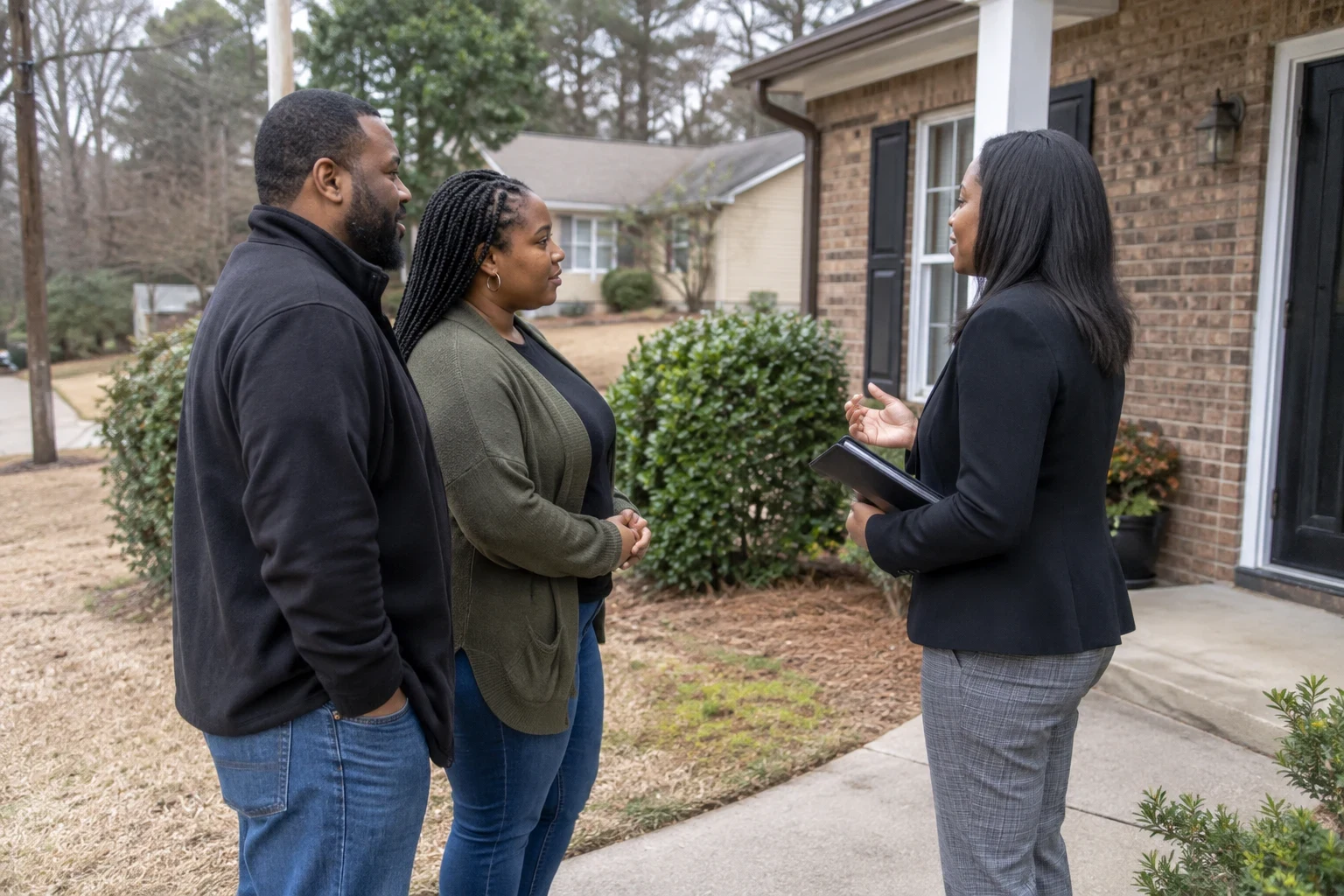
Start with the full picture
A free consultation gives you a clear view of what a reverse mortgage would provide, what it would cost and how it compares with other home loans. We meet with retirees across Stonecrest, Lithonia and Conyers by phone, video or at our office.